

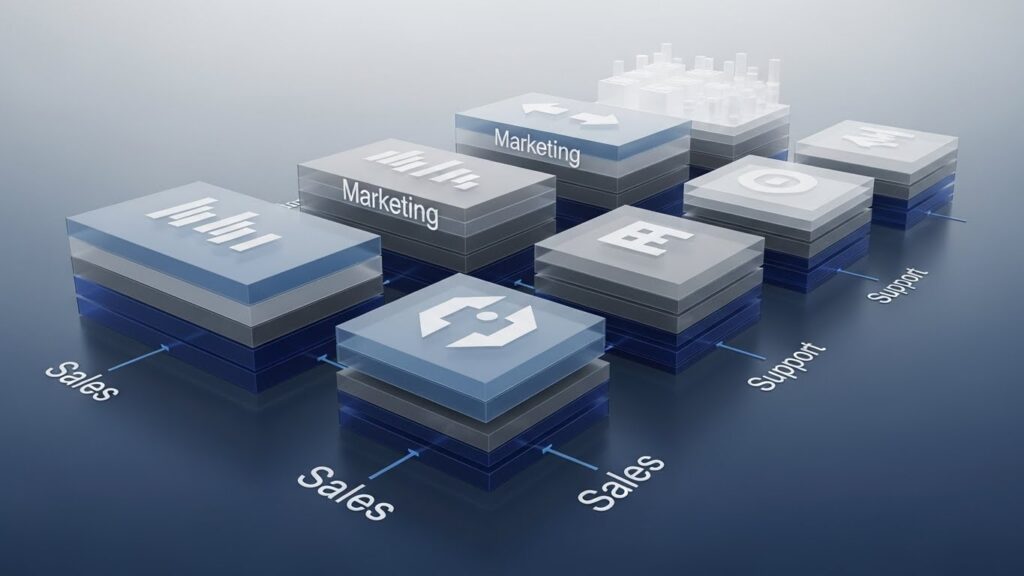
October CRM Hygiene & Data Cleanup Tactics You Can Apply

As businesses move toward data-driven decision-making in 2026, CRM hygiene and data cleanup are no longer optional tasks. They are strategic necessities. October is an ideal time to pause, audit, and optimize your CRM system before entering the final quarter and planning for the year ahead. Clean, accurate, and well-structured CRM data directly impacts sales efficiency, customer experience, branding consistency, and long-term growth.
This guide breaks down practical October CRM hygiene and data cleanup tactics you can apply immediately, with a forward-looking lens on 2026 planning and emerging trends.
Why October Is the Best Time for CRM Hygiene
October sits at a strategic crossroads. Most businesses have accumulated months of customer interactions, leads, and campaign data. Without cleanup, CRMs become bloated with duplicates, outdated records, and inconsistent data fields.
Conducting CRM hygiene in October allows you to:
- Enter Q4 with reliable data
- Improve forecasting accuracy
- Strengthen branding consistency across touchpoints
- Prepare your CRM for AI-driven tools and automation in 2026
- Clean data today is the foundation for smarter systems tomorrow.
The Cost of Poor CRM Hygiene
Before diving into tactics, it is important to understand what is at stake. Poor CRM hygiene can lead to:
- Duplicate customer outreach
- Inconsistent brand messaging
- Inaccurate sales forecasts
- Low campaign performance
- Reduced trust in data across teams
As businesses adopt advanced analytics and AI-powered CRM features in 2026, dirty data becomes a major liability. Automation amplifies errors if the underlying data is flawed.
Step 1: Audit Your CRM Data Structure
Start your October cleanup with a structural audit. This means reviewing how data is organized, not just what data exists.
Key questions to ask:
- Are all fields still relevant?
- Are mandatory fields clearly defined?
- Are naming conventions consistent across records?
- Are multiple teams using the same definitions for leads, contacts, and accounts?
- Streamlining your data structure improves usability and prepares your CRM for future integrations.
Step 2: Remove Duplicate and Inactive Records
Duplicate records are one of the most common CRM hygiene issues. They distort analytics, frustrate sales teams, and damage customer experience.
Actionable tactics:
- Use CRM-native duplicate detection tools
- Merge records with overlapping emails or phone numbers
- Archive or delete inactive contacts that no longer serve business goals
For 2026 readiness, focus on quality over quantity. A smaller, cleaner database performs better than a massive, unreliable one.
Step 3: Standardize Data for Branding Consistency
Branding consistency is deeply connected to CRM hygiene. Inconsistent data leads to inconsistent communication.
Ensure consistency in:
- Company names
- Job titles
- Industry categories
- Geographic data
- Communication preferences
Standardization allows marketing, sales, and upsport teams to deliver a unified brand experience, an essential expectation in modern customer journeys.
Step 4: Validate and Enrich Key Data Fields
Not all data is equally valuable. October is the right time to identify high-impact fields and ensure they are accurate and complete.
Focus on:
- Email validity
- Phone number formats
- Company size or revenue brackets
- Lifecycle stages
Lead source attribution
Data enrichment tools can help fill gaps, but only after cleanup. Enrichment on messy data compounds problems instead of solving them.
Step 5: Align CRM Hygiene with 2026 Trends
Looking ahead to 2026, CRM systems are becoming smarter, more automated, and more predictive. Clean data is the fuel behind these advancements.
Emerging trends to prepare for:
- AI-powered lead scoring
- Predictive customer behavior analysis
- Hyper-personalized campaigns
- Cross-platform CRM integrations
October CRM hygiene ensures your system is future-ready, not just operational.
Step 6: Improve Access Control and Ownership
Another overlooked CRM hygiene tactic is clarifying data ownership and permissions.
Best practices include:
- Assigning record ownership clearly
- Restricting editing rights for critical fields
- Logging changes for accountability
- Training teams on proper data entry
Strong governance prevents future data decay and supports long-term scalability.
Step 7: Automate Hygiene Where Possible
Manual cleanup is necessary, but automation ensures sustainability.
Set up:
- Automated duplicate checks
- Required field validations
- Scheduled data health reports
- Alerts for incomplete records
In 2026, CRMs will increasingly self-monitor data quality. October is the perfect time to establish those foundations.
Step 8: Create a Monthly CRM Hygiene Routine
One-time cleanup is not enough. The most successful organizations treat CRM hygiene as an ongoing discipline.
A simple monthly routine can include:
- Reviewing new records
- Checking duplicate reports
- Validating key fields
- Updating outdated records
Consistency ensures your CRM remains an asset rather than a burden.
Final Thoughts: Clean Data, Confident Growth
October CRM hygiene and data cleanup are more than administrative tasks. They are strategic investments in your business’s future. As 2026 approaches, organizations with clean, reliable CRM data will outperform those relying on outdated or inconsistent systems.
By applying these tactics now, you strengthen branding consistency, empower your teams, and prepare your business for the next generation of CRM intelligence. Clean data does not just support growth. It enables it.






Responses