


October CRM Hygiene & Data Cleanup: Strategy Breakdown for Businesses

Customer Relationship Management systems are the backbone of modern business operations. They influence marketing performance, sales efficiency, customer experience, and long-term brand trust. However, even the most advanced CRM platforms lose effectiveness when data quality is ignored. October presents an ideal opportunity for businesses to focus on CRM hygiene and data cleanup as part of a broader branding consistency strategy.
Maintaining a clean, accurate, and reliable CRM is not just a technical task. It directly impacts how consistently a brand communicates, serves customers, and makes strategic decisions. This blog breaks down why CRM hygiene matters, what businesses should focus on in October, and how data cleanup supports branding consistency.
Understanding CRM Hygiene and Its Business Impact
CRM hygiene refers to the ongoing process of keeping customer data accurate, up to date, and well-organized. Over time, CRMs accumulate outdated contacts, duplicate records, incomplete fields, and irrelevant information. Left unchecked, this data clutter leads to inefficiencies and inconsistent customer interactions.
From a branding perspective, poor CRM hygiene results in mixed messaging, misaligned campaigns, and disconnected customer experiences. When data is inconsistent, brands risk sending irrelevant messages, using incorrect customer details, or failing to recognize long-term relationships.
Strong CRM hygiene ensures that every customer interaction reflects clarity, professionalism, and reliability.
Why October Is the Right Time for CRM Data Cleanup
October is a strategic month for CRM maintenance. It sits between mid-year evaluations and end-of-year planning, making it the ideal time to prepare systems for Q4 execution and the upcoming year. Businesses often increase marketing, sales, and customer engagement activities during this period, making data accuracy critical.
An October data cleanup allows teams to enter the final quarter with confidence. Clean data improves campaign targeting, sales forecasting, and customer service performance. It also provides leadership with reliable insights for strategic planning.
Aligning CRM hygiene efforts in October supports long-term branding consistency and operational readiness.
Key Areas to Focus on During CRM Cleanup
Effective CRM cleanup requires a structured approach. Businesses should begin by identifying the most common data issues within their systems.
Duplicate records are one of the biggest challenges. Multiple entries for the same contact create confusion and distort reporting. Removing duplicates improves accuracy and ensures that customer history is consolidated.
Incomplete or outdated information is another concern. Missing contact details, outdated job titles, or inactive accounts reduce the value of CRM data. Regular audits help teams identify and update these records.
Data standardization is equally important. Inconsistent formatting of names, locations, or categories affects segmentation and reporting. Standardized data supports smoother workflows and clearer insights.
How CRM Hygiene Supports Branding Consistency
Branding consistency is built on trust and clarity. When customer data is clean, businesses can deliver consistent messaging across all touchpoints. CRM hygiene ensures that customers receive relevant communication aligned with their preferences, history, and needs.
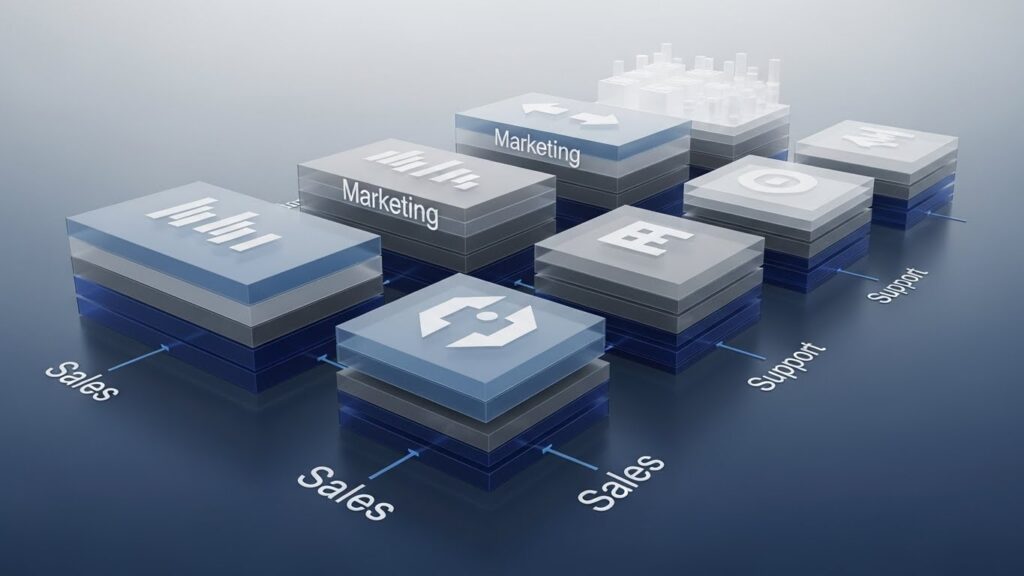
Clean data allows marketing teams to segment audiences accurately and personalize campaigns without errors. Sales teams benefit from a clear view of customer interactions, enabling consistent follow-ups and relationship management. Customer support teams can respond effectively with full context, reinforcing a unified brand experience.
Every department relies on CRM data. When that data is reliable, branding consistency becomes easier to maintain across the organization.
Data Cleanup as a Strategic Business Practice
CRM hygiene should not be treated as a one-time task. Businesses that view data cleanup as an ongoing strategy see stronger long-term results. October can serve as a dedicated checkpoint, but data quality requires continuous attention.
Assigning data ownership is an effective practice. Clear responsibility ensures that data is maintained consistently rather than corrected only when problems arise. Training teams on data entry standards also reduces future inconsistencies.
Automation tools can support CRM hygiene by flagging duplicates, incomplete records, and outdated data. However, human oversight remains essential for maintaining accuracy and relevance.
Aligning CRM Strategy with Business Goals
CRM data cleanup should align with broader business objectives. Before making changes, businesses should clarify what insights they need from their CRM. Whether the goal is improving customer retention, optimizing marketing performance, or enhancing sales efficiency, data cleanup should support these outcomes.
October cleanup initiatives provide an opportunity to refine CRM workflows and reporting structures. Clean data enhances forecasting accuracy and decision-making, enabling leaders to plan confidently for the coming year.
Strategic alignment ensures that CRM hygiene contributes directly to growth and brand consistency.
Measuring the Impact of CRM Hygiene
The benefits of CRM cleanup are measurable. Businesses often see improved email deliverability, higher engagement rates, and more accurate sales pipelines after addressing data issues. Customer satisfaction also improves when interactions are relevant and timely.
Monitoring key performance indicators before and after cleanup efforts helps teams understand the value of CRM hygiene. Metrics such as campaign performance, conversion rates, and customer response times provide insight into the effectiveness of clean data.
These improvements reinforce the importance of CRM hygiene as a business strategy rather than an administrative task.
Building a Culture of Data Responsibility
Long-term CRM success depends on culture. Businesses that prioritize data quality create systems and behaviors that support consistency. Encouraging teams to treat data as a shared asset promotes accountability and accuracy.
Leadership plays a critical role by emphasizing the importance of clean data and investing in the right tools and training. When CRM hygiene becomes part of daily operations, branding consistency naturally follows.
October initiatives can act as a reset, reinforcing expectations and setting standards for the year ahead.
Conclusion
October CRM hygiene and data cleanup are more than operational housekeeping. They are strategic actions that strengthen branding consistency, customer trust, and business performance. Clean CRM data enables consistent communication, reliable insights, and cohesive customer experiences across all channels.
By approaching CRM hygiene with a structured and strategic mindset, businesses can turn data cleanup into a competitive advantage. October offers the perfect moment to realign systems, reinforce standards, and prepare for sustained growth.
Brand consistency begins with clarity, and clarity starts with clean data.





Responses