


Digital Marketing Trends to Watch in 2026

Digital marketing continues to evolve at a rapid pace, shaped by changing consumer behavior, emerging technologies, and increasing expectations for personalization and trust. As businesses and professionals prepare for 2026, understanding upcoming digital marketing trends is no longer optional. It is essential for sustainable growth and relevance.
The year 2026 will mark a shift from experimental digital strategies to more refined, data-driven, and human-centered marketing approaches. Brands that adapt early will gain a competitive advantage, while those that resist change may struggle to stay visible in an increasingly crowded digital space.
This blog explores the most important digital marketing trends to watch in 2026 and how professionals and learners can prepare for the future.
The Rise of AI-Driven Marketing Strategy
Artificial intelligence is no longer just a supporting tool in digital marketing. By 2026, AI will play a central role in decision-making, content optimization, and customer engagement. Instead of using AI only for automation, marketers will rely on it for predictive insights, behavior analysis, and campaign personalization.
AI-powered tools will help brands understand customer intent more accurately and deliver content at the right moment. From email marketing to ad targeting, AI will enable marketers to focus more on strategy and creativity while reducing repetitive tasks.
However, the focus in 2026 will shift toward ethical and transparent AI usage, ensuring that automation enhances user experience rather than replacing human connection.
Hyper-Personalization Will Become the Standard
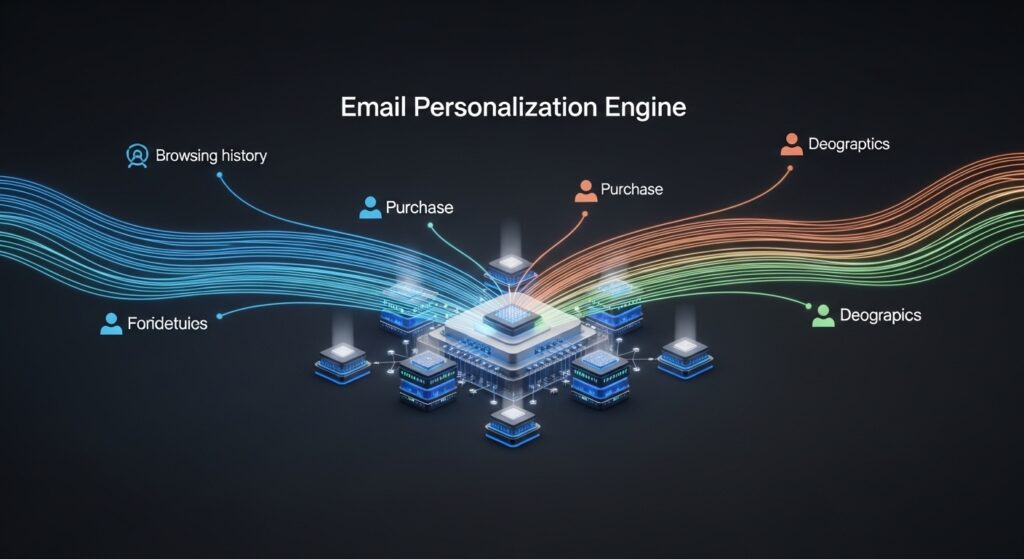
Personalization has been a marketing trend for years, but in 2026, hyper-personalization will become an expectation rather than a bonus. Consumers will demand content that reflects their preferences, behavior, and needs in real time.
Brands will use first-party data, AI insights, and contextual signals to create highly personalized experiences across websites, emails, and social platforms. Generic messaging will lose effectiveness, while relevant, timely, and user-focused communication will drive engagement and conversions.
For digital marketers, this trend emphasizes the importance of data literacy and customer journey mapping as core skills for future success.
Privacy-First Marketing and Trust Building
As data privacy regulations continue to expand globally, digital marketing in 2026 will be shaped by a privacy-first mindset. Consumers are becoming more aware of how their data is used, and brands must respond with transparency and responsibility.
Third-party cookies will continue to decline, making first-party data strategies more important than ever. Marketers will need to focus on building trust-based relationships rather than relying on invasive tracking methods.
Trust will become a key differentiator. Brands that communicate clearly, respect user privacy, and offer genuine value will build stronger, long-term customer relationships.
Content Will Shift Toward Depth and Authenticity
In 2026, content marketing will prioritize quality over quantity. Search engines and users alike will reward content that demonstrates expertise, authenticity, and real value. Short-form content will remain relevant, but long-form, educational, and insight-driven content will gain renewed importance.
Audiences are becoming more selective. They want content that answers real questions, solves problems, and provides clarity. This shift will push marketers to invest more in research, storytelling, and consistency.
Educational platforms and academies, such as Ariiah Academy, are well-positioned to lead this trend by focusing on meaningful, skill-based content rather than promotional messaging.
Social Media Will Become More Community-Driven
Social media marketing in 2026 will move beyond visibility and engagement metrics toward community building. Brands will focus on creating meaningful interactions, niche communities, and long-term relationships rather than chasing viral reach.
Private groups, interactive content, and value-driven discussions will become more important than mass broadcasting. Platforms will continue to prioritize authentic interactions, rewarding brands that foster trust and dialogue.
For marketers, success will depend on understanding platform culture, audience intent, and the importance of consistent brand voice across channels.
Search Will Evolve Beyond Traditional SEO
Search behavior is changing rapidly, and by 2026, digital marketing strategies will need to account for voice search, visual search, and AI-powered search engines. Traditional keyword-focused SEO will expand into search experience optimization.
Content will need to be structured, conversational, and intent-focused to remain discoverable. Marketers will focus more on topic authority, user experience, and semantic relevance rather than keyword density alone.
This trend highlights the importance of continuous learning and adaptability in digital marketing careers.
Video and Interactive Content Will Dominate
Video content will continue to grow, but in 2026, interactive and immersive formats will gain more attention. Live streams, short-form videos, interactive tutorials, and AI-assisted content experiences will shape audience engagement.
Consumers prefer content that allows participation rather than passive consumption. Interactive formats increase retention, understanding, and emotional connection.
Brands that integrate video and interactive elements into their digital strategies will see stronger engagement and improved conversion rates.
Skills-Based Marketing Careers Will Grow
As digital marketing becomes more complex, employers will prioritize practical skills over generic qualifications. In 2026, professionals with hands-on experience, analytical thinking, and adaptability will stand out.
Marketing education will shift toward real-world applications, tool-based learning, and strategic thinking. Platforms like Ariiah Academy play a crucial role in preparing learners for this skills-driven future by offering structured and accessible learning paths.
Career growth in digital marketing will depend on continuous upskilling and the ability to adapt to emerging trends.
Preparing for Digital Marketing in 2026
Planning for 2026 requires a proactive mindset. Marketers and learners should focus on building foundational skills while staying open to innovation. Understanding data, embracing AI responsibly, prioritizing trust, and maintaining branding consistency will be essential.
Rather than chasing every trend, successful professionals will evaluate which strategies align with their goals and audience. Strategic planning, ethical practices, and user-centered marketing will define long-term success.
Conclusion
Digital marketing in 2026 will be more intelligent, more human, and more trust-driven than ever before. The trends shaping the future emphasize personalization, authenticity, privacy, and meaningful engagement.
By understanding these digital marketing trends and planning ahead, professionals and organizations can stay competitive in a rapidly evolving digital landscape. Ariiah Academy supports this journey by focusing on future-ready skills, inclusive learning, and practical digital education.
The future of digital marketing belongs to those who prepare today.





Responses