

Email Personalization at Scale: Strategy Breakdown for Businesses

Email marketing remains one of the highest-ROI digital channels, but in today’s competitive landscape, generic email blasts no longer work. Customers expect relevance, timing, and value in every message. This is where email personalization at scale becomes a critical business strategy rather than a marketing trend.
For growing businesses, personalization is no longer about adding a first name to a subject line. It is about delivering context-aware, data-driven communication across thousands or millions of subscribers without losing efficiency or brand consistency. This article breaks down how businesses can implement email personalization at scale in a structured, sustainable, and results-focused way.
What Is Email Personalization at Scale?
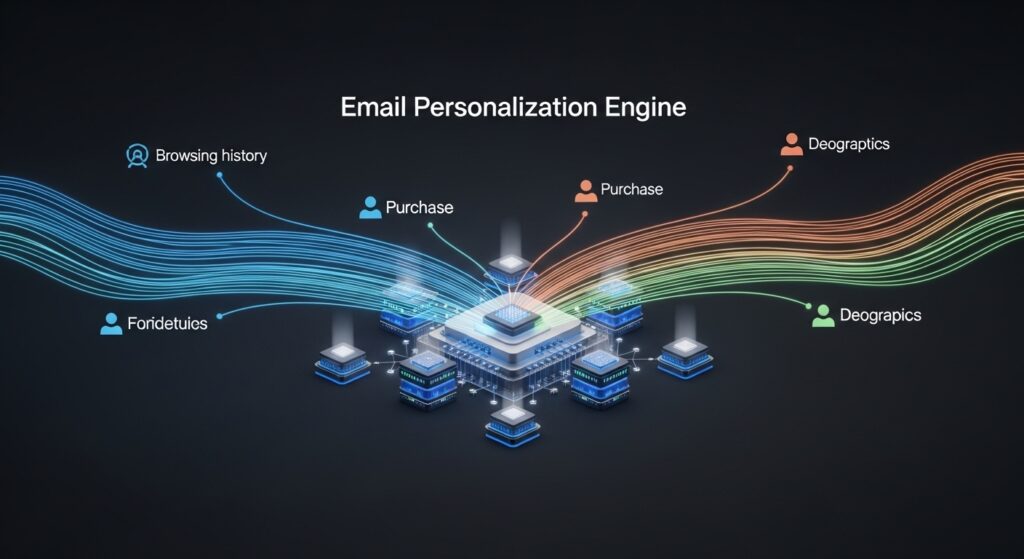
Email personalization at scale refers to the ability to deliver highly relevant, individualized email experiences to large audiences using automation, customer data, and intelligent segmentation. Unlike manual personalization, scalable personalization relies on:
- Centralized customer data
- Behavioral and lifecycle insights
- Automation platforms and CRM integration
- Dynamic content frameworks
The goal is simple: make every email feel personal without manually crafting each one.
Why Email Personalization Matters for Businesses
Modern buyers are overwhelmed with messages. Personalization helps brands cut through noise and build stronger relationships.
- Key business benefits include:
- Higher open and click-through rates
- Improved customer engagement and loyalty
- Better conversion and revenue performance
- Reduced unsubscribe rates
- Stronger brand perception and trust
From a strategic perspective, personalization allows businesses to move from campaign-centric marketing to customer-centric communication.
The Foundation: Clean Data and CRM Alignment
Before personalization can scale, businesses must address the foundation of data quality and CRM alignment. Effective personalization depends on:
- Accurate customer profiles
- Unified contact records
- Consistent data fields across platforms
- Clear customer lifecycle definitions
Without clean and structured data, personalization efforts become fragmented and unreliable. This is why CRM hygiene, data cleanup, and governance are prerequisites for scalable email personalization.
Segmentation: The Backbone of Scalable Personalization
- Demographics and firmographics
- Purchase history
- Website or app behavior
- Engagement level
- Lifecycle stage
- Industry or use case
Advanced segmentation allows marketers to design reusable personalization logic that adapts dynamically as customers move through different stages.
Dynamic Content: Personalization Without Duplication
- Personalized product or service recommendations
- Industry-specific messaging blocks
- Location-based offers
- Lifecycle-specific CTAs
- Behavioral triggers
With dynamic content, one email template can deliver hundreds of personalized experiences, ensuring efficiency without sacrificing relevance.
Automation and Trigger-Based Emails
- Welcome sequences
- Abandoned cart or inquiry follow-ups
- Post-purchase education
- Re-engagement campaigns
- Upsell or cross-sell prompts
Automation ensures timely, contextual communication while reducing manual workload. For businesses, this translates into scalable consistency and better customer experiences.
Maintaining Brand Consistency at Scale
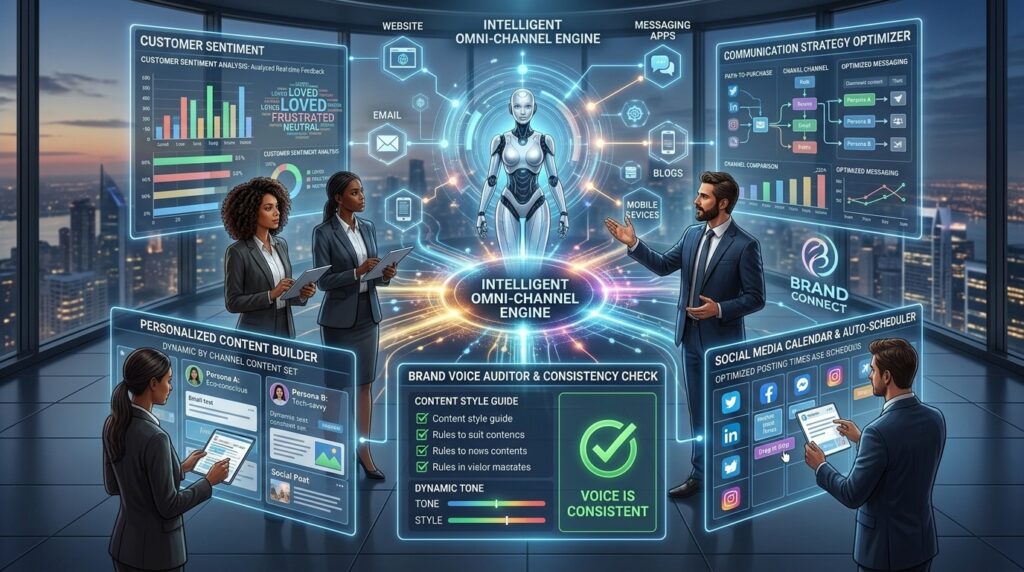
One of the biggest challenges of personalization is maintaining brand consistency while tailoring messages. To solve this, businesses should:
- Define clear brand voice guidelines
- Use modular email templates
- Standardize tone and visual elements
- Centralize content governance
- Limit ad hoc personalization by individual teams
Scalable personalization works best when creativity is guided by structure, not randomness.
Measuring Performance and Optimization
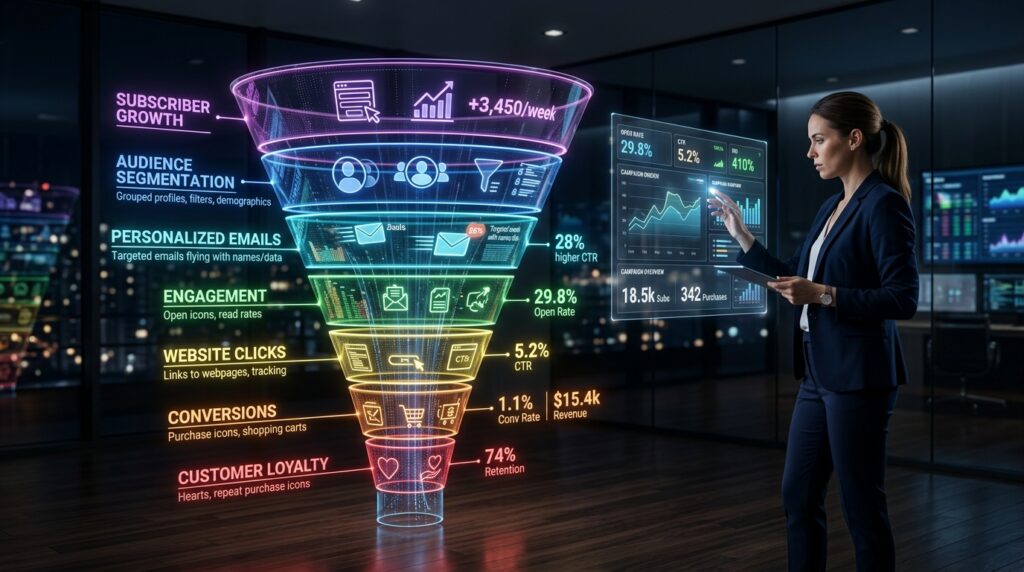
Personalization is not a one-time setup. It requires continuous optimization. Key metrics to track include:
- Open and click-through rates by segment
- Conversion rates by personalization type
- Engagement trends over time
- Drop-off points in automated journeys
- Customer lifetime value impact
Data-driven insights help businesses refine segmentation, improve messaging, and identify which personalization strategies deliver the highest ROI.
Preparing for the Future of Email Personalization
As AI, predictive analytics, and real-time data integration advance, email personalization will become even more intelligent. Future-ready businesses are already preparing by:
- Investing in scalable CRM and marketing automation platforms
- Improving data governance and compliance
- Designing flexible personalization frameworks
- Aligning marketing, sales, and customer success data
- Email personalization at scale is no longer optional. It is a competitive advantage.
Conclusion




Responses