

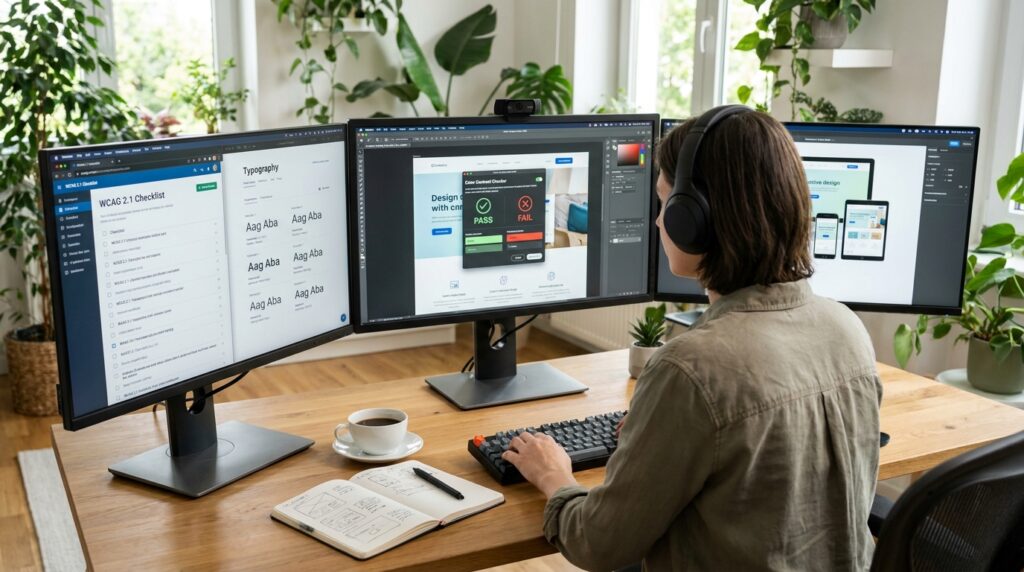
Building Secure & Accessible Websites in 2026

As the digital world continues to evolve, businesses are expected to create websites that are not only visually appealing and fast, but also secure and accessible for all users. In 2026, website accessibility and cybersecurity are no longer optional considerations — they are essential pillars of a successful digital presence.
Customers expect websites to protect their data, function smoothly across devices, and remain accessible to people with disabilities. At the same time, governments and search engines are placing greater emphasis on accessibility standards, privacy protection, and secure online experiences. Businesses that fail to prioritise these areas risk losing customer trust, damaging their reputation, and facing legal or compliance challenges.
This blog explores why secure and accessible websites matter in 2026, the key challenges businesses face, and practical strategies to improve both cybersecurity and accessibility for a stronger digital experience.
Why Security and Accessibility Matter More Than Ever
Modern websites serve users from diverse backgrounds, devices, and accessibility needs. At the same time, cyber threats continue to increase in sophistication and frequency.
A successful website today must:
- Protect user data and privacy
- Prevent cyberattacks and vulnerabilities
- Be usable for people with disabilities
- Provide equal access across devices and technologies
- Deliver a trustworthy user experience
Security and accessibility are both closely connected to user trust and digital inclusion.
Understanding Website Accessibility
Website accessibility refers to designing and developing websites that everyone can use, including individuals with disabilities.
Accessible websites support users with:
- Visual impairments
- Hearing impairments
- Motor disabilities
- Cognitive challenges
- Temporary limitations or device restrictions
Accessibility ensures that users can navigate, understand, and interact with content effectively.
Why Accessibility Matters in 2026
1. Digital Inclusion
The internet should be accessible to everyone. Inclusive websites help businesses serve wider audiences and create equal opportunities online.
2. Better User Experience
Accessibility improvements often enhance usability for all users, not just those with disabilities.
3. Improved SEO Performance
Many accessibility practices align with SEO best practices, including:
- Proper heading structure
- Alt text for images
- Clear navigation
- Mobile responsiveness
4. Legal and Compliance Requirements
Many countries now require businesses to follow accessibility standards such as WCAG guidelines. Ignoring accessibility can create compliance risks and reputational damage.
Core Accessibility Features Every Website Should Have
1. Alt Text for Images
Images should include descriptive alt text so screen readers can explain visuals to visually impaired users. Good alt text also improves SEO performance.
2. Keyboard Navigation
Users should be able to navigate websites without a mouse. Accessible websites should support:
- Tab navigation
- Clear focus indicators
- Logical navigation order
3. Readable Typography and Contrast
Text should be easy to read across devices and for users with visual limitations. Best practices include:
- High colour contrast
- Clear fonts
- Proper text spacing
- Readable font sizes
4. Mobile Accessibility
Accessible websites must function effectively on smartphones and tablets. Responsive design supports:
- Touch accessibility
- Readable layouts
- Scalable content
5. Clear Structure and Headings
Well-organised headings improve navigation for both users and search engines. Proper structure also helps screen readers interpret content accurately.
Understanding Website Cybersecurity
Website cybersecurity involves protecting websites, servers, and user data from malicious attacks and unauthorised access.
Cyber threats in 2026 include:
- Data breaches
- Malware attacks
- Phishing attempts
- Ransomware
- Credential theft
- API vulnerabilities
Cybersecurity is essential for maintaining customer trust and operational stability.
Why Cybersecurity Is Critical for Businesses
1. Protecting Customer Data
Users trust businesses with personal and financial information. Security breaches can permanently damage that trust.
2. Preventing Financial Loss
Cyberattacks can lead to:
- Revenue loss
- Legal penalties
- Downtime costs
- Recovery expenses
3. Maintaining Brand Reputation
Customers avoid businesses that appear insecure or unreliable.
4. Supporting Compliance
Many industries require businesses to follow strict data protection standards.
Essential Website Security Practices for 2026
1. Use HTTPS Encryption
SSL certificates encrypt communication between users and websites. HTTPS improves:
- Data protection
- User trust
- SEO rankings
2. Enable Multi-Factor Authentication
MFA adds an extra layer of login security, reducing the risk of unauthorised access.
3. Keep Software Updated
Outdated plugins, CMS platforms, and themes create vulnerabilities. Regular updates improve:
- Security patches
- Performance
- Stability
4. Use Secure Password Policies
Encourage strong passwords and account protection practices for both administrators and users.
5. Regular Security Monitoring
Use monitoring tools to detect:
- Suspicious activity
- Malware
- Failed login attempts
- Vulnerabilities
Early detection helps minimise damage.
How Security and Accessibility Work Together
Security and accessibility are often treated separately, but both contribute to user trust and experience.
A secure but inaccessible website excludes users.
An accessible but insecure website risks user safety.
Businesses must balance:
- Inclusive design
- Data protection
- Performance optimisation
- User confidence
Together, these elements create a stronger digital foundation.
SEO Benefits of Secure and Accessible Websites
Search engines increasingly prioritise websites that provide:
- Safe browsing experiences
- Mobile-friendly layouts
- Clear navigation
- Fast performance
- Accessible content structure
Benefits include:
- Better rankings
- Higher engagement
- Lower bounce rates
- Improved trust signals
Accessibility and cybersecurity both support long-term SEO success.
Future Trends for 2026 and Beyond
Emerging trends include:
- AI-powered cybersecurity systems
- Automated accessibility testing
- Voice navigation support
- Privacy-first web experiences
- Stronger compliance regulations
- Inclusive UX design standards
Businesses that adapt early will remain more competitive and trustworthy.
Conclusion
Building secure and accessible websites in 2026 is no longer just a technical requirement — it is a business necessity. Customers expect websites that protect their information, support inclusive access, and provide seamless digital experiences across all devices.
By investing in cybersecurity best practices and accessibility standards, businesses can improve trust, strengthen SEO performance, enhance user experience, and create a more inclusive online presence.






Responses